
North American market access for electrical products demands safety marks from OSHA-recognized NRTLs. The ETL Listed Mark, issued by Intertek, is frequently mistaken for UL. Drawing on 29 CFR 1910.7, ANSI/UL and CSA standards, this article outlines the ETL scheme’s marking system, scope, certification workflow and critical notes.
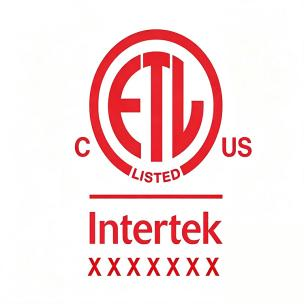
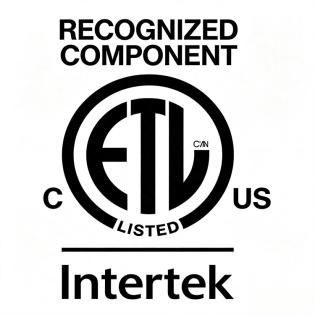
1.ETL offers two marking classifications. LISTED applies to end-product certification, while RECOGNIZED COMPONENT applies to components. A RECOGNIZED COMPONENT mark alone cannot qualify finished products for market release. The end product must undergo separate compliance evaluation. Certification type is assessed based on product structure and application conditions.The LISTED and RECOGNIZED COMPONENT marks are shown in Fig. 1 and Fig. 2, respectively.
2.Mark Categories & Territorial Applicability
ETL us: US-only market access, tested to ANSI/UL standards.
cETL: Canada-only market access, tested to CSA C22.2 standards.
cETL us: Dual US & Canada coverage, complies with safety standards of both countries.
3. Basic Certification Workflow
① Technical document archiving: Schematics, critical component list, nameplates, user manuals. English-only manuals acceptable for US marking; c-mark (Canada) requires bilingual English-French manuals.
② Evaluate sample structure; initiate testing and document review after parameter confirmation.
③ Compile test reports and submit to Intertek. Drafts ready for client review in ~5 working days.
④ Official certificate issued post draft approval. Initial applications require factory audit.
Supplementary Note: ETL and UL are OSHA-recognized NRTLs of equivalent legal standing. ETL projects tend to be more cost-effective, though ETL carries lower brand recognition compared to UL.